By Abena Dekyiwah Agyekum Nyarko
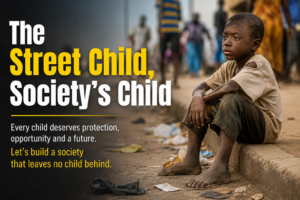
Victimised by circumstance and soaked in desolation, the street child is confronted with more problems than they can handle. These innocent children are left to suffer the consequences of their parents' irresponsible decisions or the unjustifiable sting of societal wickedness. Whether the child of unconcerned parents, the result of an unplanned pregnancy, an orphan, or an overstimulated, adventure-hungry prodigal son—all these characters are exposed to the hostilities of the streets, attacked by the depravity and immorality found there, robbed of their potential and have their ambitions crushed.
The average street child has access to neither a constant supply of daily bread nor a permanent roof over their head. On good days—when they manage to steal enough, when parents have something to spare, or when a philanthropist steps in—the street child may have enough to eat. On bad days, like when a flood strikes their shelter (typically kiosks, under bridges and other make-shift homes) or when government officials drive them out for any reason, the street child's life becomes a mess.
The average street child rarely receives any education. They toil throughout their lives from childhood, and when they come of age, they devise any source of income, whether legal or illegal. The street child eventually becomes a street parent, and except in rare cases of divine intervention, the cycle never ceases. Each generation is tougher and more hardened than the last.
From afar, the street child's troubles look irreversible and inevitable. Potential helpers discard the idea of intervening after considering their pilfering habits and other common misconducts. Some even believe that street children prefer the rogue and lawless atmosphere of the streets to the warmth, security and safety of a home. Even policymakers blatantly abandon this issue, reserving it exclusively for crafting appealing campaign messages, only to treat it as a no-go area after electoral victory.
In all this, the truth remains that the solution to the street child's predicament is well within society's power. A tactical solution is to enforce social welfare legislation concerning children. Any parent found engaging a child in child labour should be investigated and punished. Social welfare should be adequately resourced to assist and guide parenting nationwide, ensuring that parents fulfill all their duties toward their children and identifying parents who cannot emotionally or financially afford children to transfer them to better conditions.
Another pragmatic solution is the implementation and usage of birth control measures. The Ministry of Health and other responsible bodies should provide contraceptives and family planning initiatives to the public. They should also educate the general public on the inconveniences associated with high population growth. This will eradicate ignorance and inspire a controlled birth revolution, which will prevent streetism, since one underlying cause is unwanted pregnancy.
Again, a tactful approach is the establishment and development of financial support for all parents. Implementing such a scheme will reduce the emergence of streetism, especially in children. Some parents never planned to neglect their duties; life's struggles hit them and they simply could not keep up. Therefore, if the government intervenes, it could rekindle their innate affection toward their children.

Lastly, a step beyond addressing streetism is adequately resourcing orphanages. Government stakeholders and all who can afford it should assist in running orphanages, rather than leaving orphans to the mercy of philanthropists and others who have no obligations to them. There should be legally mandated sponsorship of orphanages from well-to-do individuals and prominent corporations. This will go a long way in improving conditions and allow private orphanages to assist the government in shielding children from the harshness of the streets.
All who are able should cast a merciful glance at the children on the streets—not just because their lives are heart-wrenching and sad, but because society owes those kids a responsibility.
Comments